
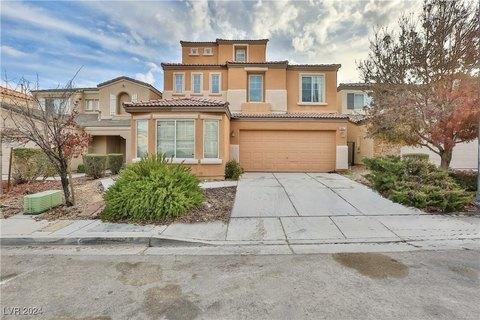
Welcome to the dazzling world of Las Vegas, a city synonymous with glitz, glamour, and opportunities galore. While many envision the bright lights of the Strip or the thrill of a high-stakes game at a bustling casino, the heart of this dynamic desert oasis beats to another rhythm — the real estate market. In a landscape marked by rapid growth, shifting demographics, and economic fluctuations, understanding the nuances of the Las Vegas real estate market is essential for buyers, sellers, and investors alike. This article delves deep into the current trends, challenges, and opportunities that define the market today, providing a comprehensive analysis that illuminates the path forward in one of the most vibrant locales in the nation. Whether you’re a seasoned investor or a first-time homebuyer, join us as we navigate the intricate tapestry of Las Vegas real estate.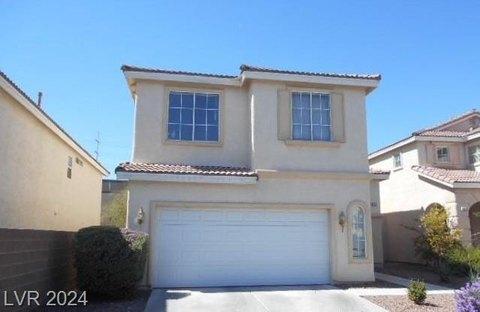
Market Trends and Dynamics Shaping Las Vegas Real Estate
The Las Vegas real estate market is currently influenced by a variety of factors that are reshaping investment dynamics and homebuyer preferences. Population growth, driven by the state’s appealing tax environment and job opportunities, is increasing the demand for housing. As more residents flock to the area, particularly from California, we witness a surge in both residential and commercial developments. Key trends include:
- Increased interest in suburban areas
- Growing demand for eco-friendly homes
- Shift toward multi-family units as rental prices rise
- Technological advancements in virtual real estate tours
Moreover, rising construction costs and supply chain disruptions are impacting property prices, making affordability a critical issue for potential buyers. Developers are adapting by focusing on innovative construction techniques and sustainable designs to attract buyers. The luxury segment remains robust, driven by affluent individuals seeking vacation homes or investments, while the mid-range market is challenged by competition and economic fluctuations. A comparison of the average home prices over the past year highlights these dynamics:
| Property Type | Average Price (2022) | Average Price (2023) | Percentage Change |
|---|---|---|---|
| Single-Family Homes | $410,000 | $425,000 | +3.66% |
| Condos | $275,000 | $290,000 | +5.45% |
| Luxury Properties | $1,200,000 | $1,300,000 | +8.33% |
Investment Opportunities: Navigating High-Yield Areas
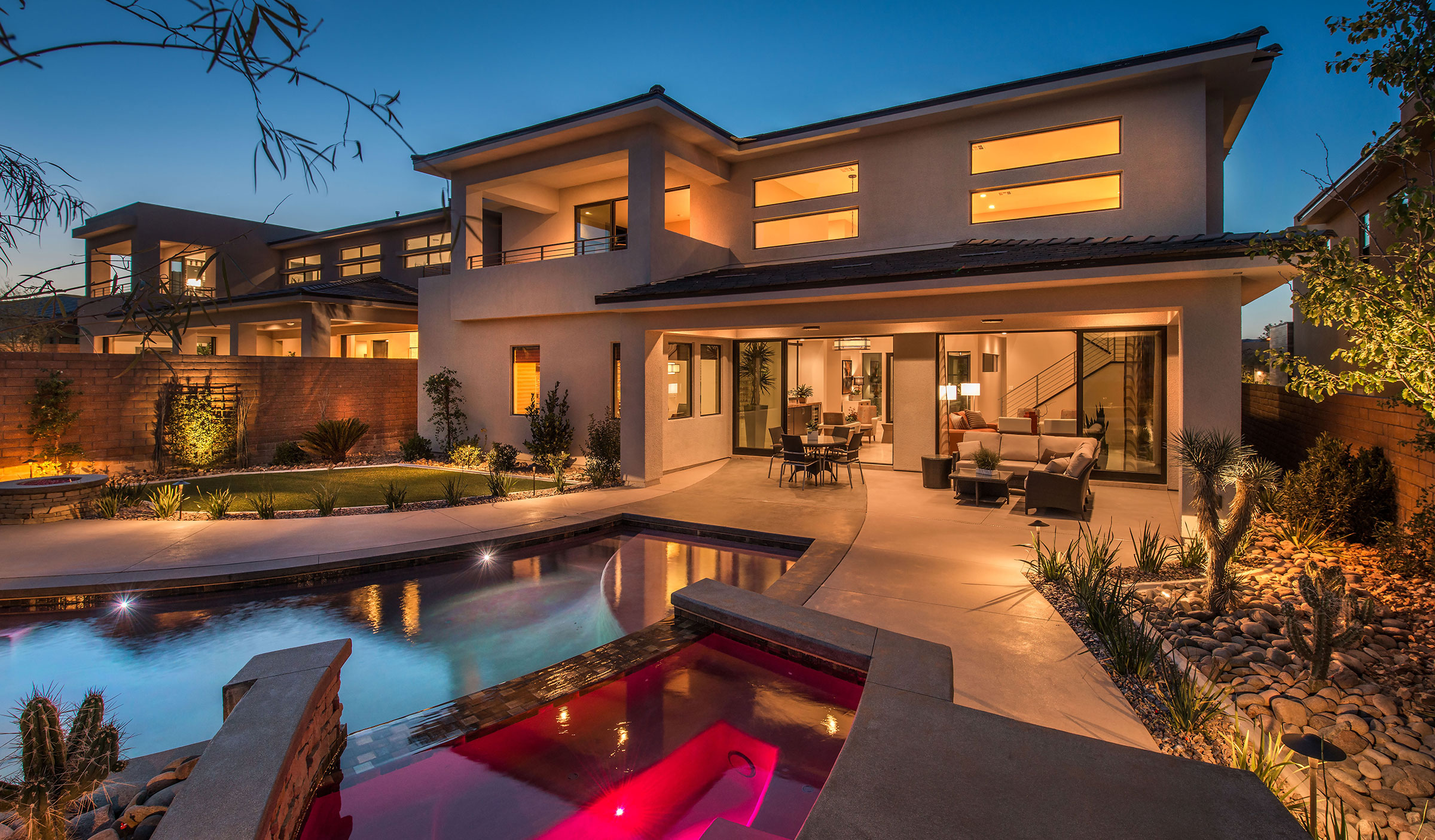
The Las Vegas real estate market is experiencing a dynamic shift, characterized by an influx of new developments and a steady population growth that presents multiple avenues for investors. Areas such as Summerlin and Henderson are particularly noteworthy, as they offer residential properties in highly sought-after neighborhoods. With amenities like parks, schools, and retail centers, these regions are not just attracting families but also businesses looking to capitalize on the growing workforce. Investors can explore opportunities in single-family rentals and multi-family dwellings, where demand continues to outpace supply.
Furthermore, commercial real estate is gaining traction due to the booming tourism sector and increasing demand for entertainment spaces. Downtown Las Vegas, with its revitalization initiatives, presents attractive options for those looking to invest in retail or office spaces. Consider these high-yield areas for potential investments:
- Summerlin: A master-planned community with a mix of residential and commercial properties.
- Henderson: Recognized for its high quality of life and family-friendly environment.
- Downtown Las Vegas: A hub of cultural activity and newly renovated properties.
| Area | Average Property Price | Rental Yield (%) |
|---|---|---|
| Summerlin | $450,000 | 5.2% |
| Henderson | $400,000 | 4.8% |
| Downtown Las Vegas | $350,000 | 6.1% |
With the right strategy, capitalizing on these burgeoning areas can provide long-term financial rewards. Investors should conduct thorough market research, analyze rental patterns, and assess local infrastructure developments to make informed decisions that align with their investment goals.
The Impact of Demographics on Housing Demand
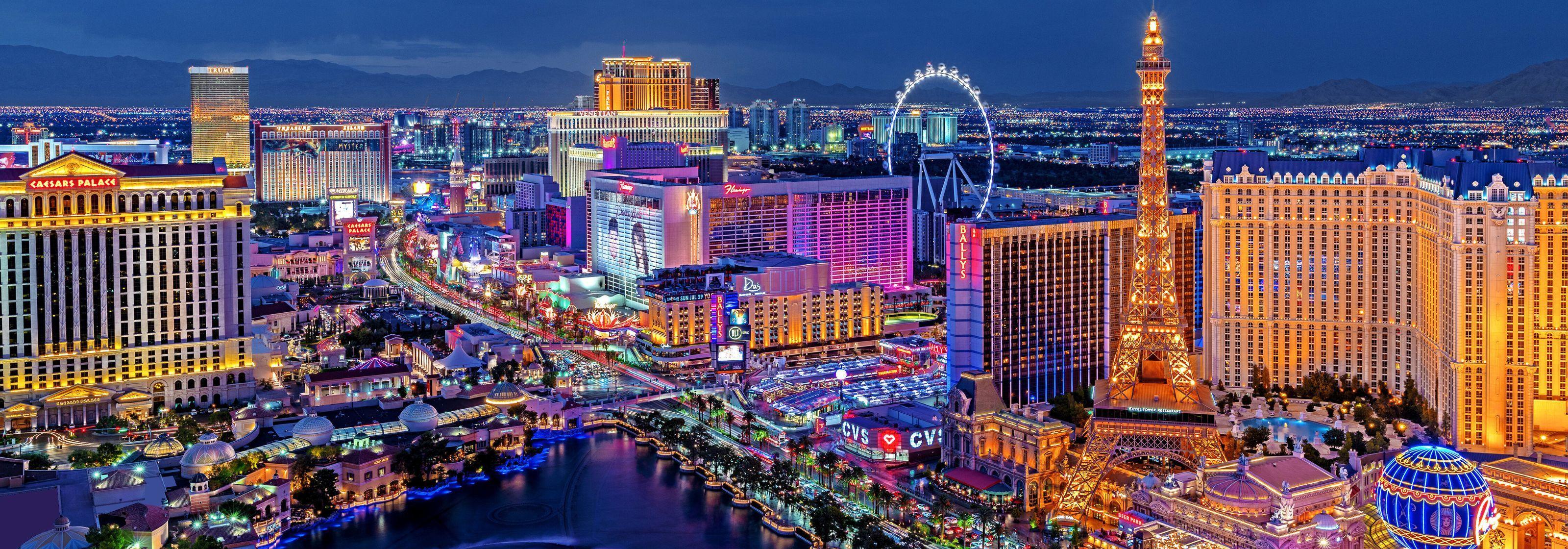
The housing demand in Las Vegas is significantly influenced by its evolving demographics. As the population grows and diversifies, so do the preferences and needs of potential homeowners and renters. The influx of Millennials and Gen Z, who prioritize urban living and affordability, has shifted the market landscape. These groups often seek walkable neighborhoods with access to amenities, while also valuing outdoor spaces and community engagement. Moreover, the increasing number of retirees moving to the area adds another layer to the demand, as they look for single-story homes in gated communities that offer security and social opportunities.
Rental markets have also seen a dramatic shift due to changing household compositions. A rise in single-person households and multigenerational living affects the types of properties in demand. The need for smaller units, such as studio apartments and one-bedroom condos, has surged alongside increased interest in larger homes accommodating extended families. This demographic trend reflects a community that values both affordability and functionality. A comparative look at housing unit types reveals this change:
| Housing Type | Current Demand | Population Segment |
|---|---|---|
| Detached Single-Family Homes | High | Families, Retirees |
| Townhomes | Medium | Young Professionals |
| Condos | Growing | First-Time Buyers, Singles |
| Multigenerational Homes | Increasing | Multigenerational Families |
Future Predictions: What Lies Ahead for Las Vegas Property Values
The future of property values in Las Vegas is a dynamic topic, influenced by a myriad of factors ranging from economic shifts to demographic changes. With the gradual recovery from the pandemic and the resurgence of tourism, we may see a considerable uptick in demand for both residential and commercial properties. Several key elements are likely to shape this trajectory:
- Increased tourism: As travel restrictions ease and events return, the hospitality sector will bolster local real estate demand.
- Population growth: The migration of individuals seeking warmer climates and affordable living spaces could drive up housing prices.
- Infrastructure developments: New projects, such as roads, schools, and public transport, will enhance property desirability in various neighborhoods.
- Market fluctuations: Interest rates and economic conditions will play a crucial role in both buyer sentiment and investment strategies.
According to recent trends and predictive models, the Las Vegas housing market could see a steady appreciation in property values over the next five years. Here is a glance at potential price growth across different market segments:
| Property Type | Current Average Price | Projected 5-Year Price Increase |
|---|---|---|
| Single-Family Homes | $400,000 | 15% ($460,000) |
| Condominiums | $250,000 | 10% ($275,000) |
| Luxury Properties | $1,000,000 | 20% ($1,200,000) |
Investors and homeowners alike should remain vigilant and adaptable to market changes, but the overall outlook for Las Vegas property values appears promising. Strategic investments in the right locations may yield fruitful returns as this vibrant city continues to evolve.
Q&A
Q: What are the current trends in the Las Vegas real estate market?
A: As of October 2023, the Las Vegas real estate market showcases a mix of resilience and adaptation. Home prices have stabilized after fluctuations influenced by external economic factors, leading to a more balanced environment between buyers and sellers. The demand for single-family homes remains strong, spurred by the region’s growth in employment opportunities and lifestyle appeal.
Q: How has the pandemic impacted real estate in Las Vegas?
A: The pandemic brought initial uncertainty and a brief slowdown in Las Vegas’s real estate market. However, it also accelerated trends such as remote work, prompting many to seek more spacious living arrangements. As a result, areas like Summerlin and Henderson gained traction, attracting both local and out-of-state buyers looking for homes with larger lots and amenities.
Q: Are there any notable neighborhoods in Las Vegas experiencing growth?
A: Yes, several neighborhoods continue to see significant growth. Summerlin leads the pack, known for its master-planned communities and excellent schools. Additionally, the Arts District has attracted young professionals and artists, infusing the area with energy and new developments. The rising popularity of Southern Highlands is also noteworthy, as it offers luxurious living close to nature and the city center.
Q: What role do investors play in the Las Vegas real estate market?
A: Investors have a considerable influence in the Las Vegas market, drawn by the area’s potential for rental income and value appreciation. The influx of short-term rental properties, particularly in tourist-heavy zones, has transformed certain neighborhoods. However, recent regulatory changes focusing on rental compliance seek to manage this growth, creating a more regulated environment for investors.
Q: How are interest rates affecting home buyers in Las Vegas?
A: Growing inflation has led to higher interest rates, impacting affordability for many prospective home buyers. As borrowing costs rise, buyers are becoming more discerning, often looking for homes in lower price brackets or seeking properties that offer greater value. This shift could lead to longer days on market for higher-priced homes while creating opportunities in the entry-level market.
Q: What should potential home buyers keep in mind when entering the Las Vegas market?
A: Potential buyers should remain informed about current market conditions, including inventory levels and pricing trends. It’s also wise to secure mortgage pre-approval, as competition can emerge quickly, especially for desirable properties. considering both long-term investment potential and personal lifestyle needs will serve buyers well in making a sound decision.
Q: What future predictions are being suggested for the Las Vegas real estate market?
A: Experts predict a steady recovery with gradual price increases as the market stabilizes. Economic diversification in Las Vegas—fueled by expansions in technology, healthcare, and entertainment sectors—is seen as a positive sign for long-term growth. However, fluctuations in national economic conditions and housing supply will continue to play significant roles in shaping the market’s trajectory.
Q: How can sellers effectively navigate the Las Vegas real estate market?
A: Sellers should focus on enhancing their property’s appeal through minor renovations and staging while pricing competitively based on current market analysis. Engaging a knowledgeable local real estate agent can also help navigate the complexities of the market and identify the best timing for a sale. Clear communication about property conditions and potential upgrades can attract serious buyers in a competitive landscape.
The Conclusion
As the curtain falls on our deep dive into the vibrant Las Vegas real estate market, it becomes clear that this dynamic landscape is as multifaceted as the city itself. From the shimmering lights of the Strip to the serene suburbs, the trends and shifts we’ve explored paint a vivid picture of opportunity and resilience. Buyers and sellers alike must navigate a marketplace that is both exciting and unpredictable, where data and intuition must harmonize to make informed decisions.
Whether you’re considering investing in a dazzling high-rise or seeking the charm of a cozy family home, understanding the nuances of Las Vegas real estate is key to unlocking the secrets of this desert oasis. As the market continues to evolve, staying informed will empower you to step confidently into your next venture.
Vegas isn’t just about what happens in the moment—it’s about the dreams that unfold in the homes we create and the opportunities that await. Here’s hoping your journey through this ever-changing market is met with success and fulfillment. Welcome to Las Vegas, where every property tells a story waiting to be discovered.