
Nestled in the heart of the Mojave Desert, Las Vegas is a city synonymous with vibrant nightlife, world-class entertainment, and a landscape that dazzles both residents and visitors alike. Beyond the glitz of the Strip lies an equally compelling story: the burgeoning rental market that beckons both newcomers and long-time locals to explore the option of leasing a home. Whether you’re drawn by the allure of a fresh start, the freedom from the commitment of ownership, or the unique lifestyle that Las Vegas offers, leasing a home in this dynamic city comes with its own set of considerations. From understanding the local rental landscape to navigating lease agreements and neighborhood choices, this article delves into the essential factors you need to ponder before signing on the dotted line. Whether you’re seeking a modern high-rise with skyline views or a cozy abode in a tranquil community, arm yourself with the knowledge to make an informed decision as you embark on your leasing journey in the Entertainment Capital of the World.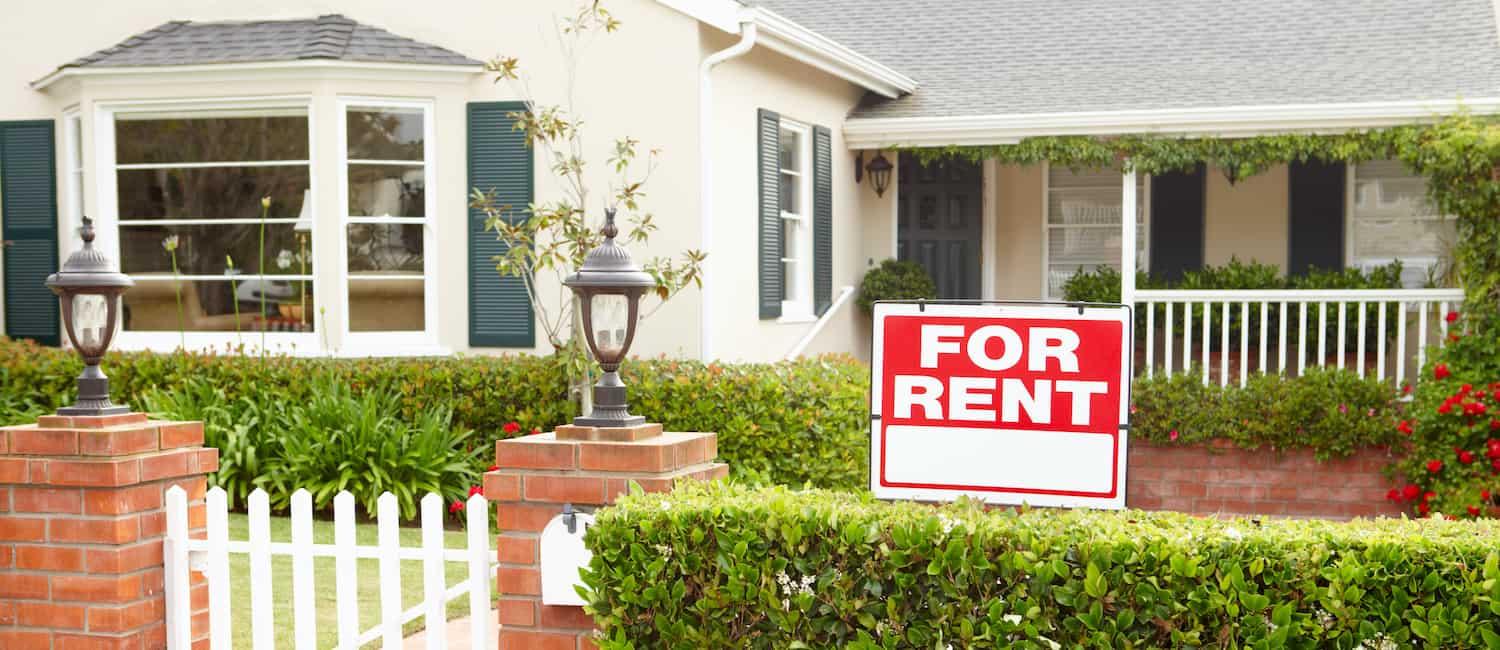
Understanding the Las Vegas Rental Market Dynamics
The Las Vegas rental market is known for its vibrant and rapidly changing nature, making it essential for prospective tenants to stay informed. Factors such as the population influx, seasonal tourism fluctuations, and varying economic conditions play a significant role in shaping rental dynamics. When considering a lease, it’s crucial to understand that the demand for housing can spike during certain months, particularly in the spring and summer when many families prefer to relocate. This surge often results in higher rental prices, making timing an important aspect when searching for a home.
Additionally, the diversity of rental options adds another layer to the market’s complexity. From luxurious high-rise apartments on the Strip to more modest single-family homes in suburban neighborhoods, the selection can cater to varying budgets and lifestyles. Some key factors to keep in mind include:
- Location: Proximity to amenities and work.
- Lease Terms: Understanding the different lease structures, such as short-term vs. long-term.
- Market Trends: Regularly monitoring rent prices and vacancy rates.
Understanding these elements can empower renters to navigate the Las Vegas market more effectively, ensuring they find a home that meets their needs while also securing the best possible deal.

Essential Factors to Evaluate Before Signing a Lease
Before committing to a lease, it’s essential to dive into the intricacies of the rental agreement. Pay close attention to the lease duration and any penalties associated with breaking the lease early. Make sure to clarify the security deposit requirements and understand the conditions under which it can be deducted or forfeited. Additionally, consider the maintenance responsibilities outlined in the lease, as knowing who is responsible for repairs and maintenance can save considerable stress down the line.
Another critical factor to keep in mind is the property’s location and its proximity to important amenities. Evaluate aspects such as public transportation, grocery stores, and healthcare facilities. Assess the surrounding neighborhood by taking note of the safety, noise levels, and community services available. A table showcasing different amenities could serve as a useful comparison tool to ensure that the chosen location meets all your needs:
| Amenity | Distance from Property | Rating (1-5) |
|---|---|---|
| Grocery Store | 0.5 miles | 4 |
| Public Transport | 1 mile | 5 |
| Hospital | 2 miles | 4 |
| Park | 0.3 miles | 5 |

Negotiating Lease Terms: Maximizing Your Benefits
When it comes to securing the best possible lease agreement in Las Vegas, knowledge and preparation are your greatest allies. Start by researching current market trends in your desired neighborhood. Understanding the average rental rates will empower you to negotiate effectively. Consider these key factors when entering discussions with your landlord or property manager:
- Length of Lease: Propose flexible lease terms that align with your long-term plans.
- Rent Price: Don’t hesitate to ask for a reduction based on comparable properties in the area.
- Included Utilities: Negotiate whether certain utilities like water or internet can be included in the rent.
- Pets Policy: If you have pets, seek to negotiate a more favorable pet policy.
Another effective strategy is to come prepared with your own list of perks that could sweeten the deal for both you and the landlord. For example, willing to sign a longer lease can often lead to more favorable rental rates or reduced fees. Here’s a simple table to visualize possible concessions:
| Concession Offered | Potential Benefit |
|---|---|
| Longer Lease Term | Lower Monthly Rent |
| Paying First Month Upfront | Waived Security Deposit |
| Flexibility on Move-in Date | Free Maintenance Deal |
Ultimately, successful negotiations are about finding common ground where both you and the landlord feel satisfied. Approach each conversation strategically, and remember that flexibility and open dialogue can lead to maximizing your benefits in your new home.
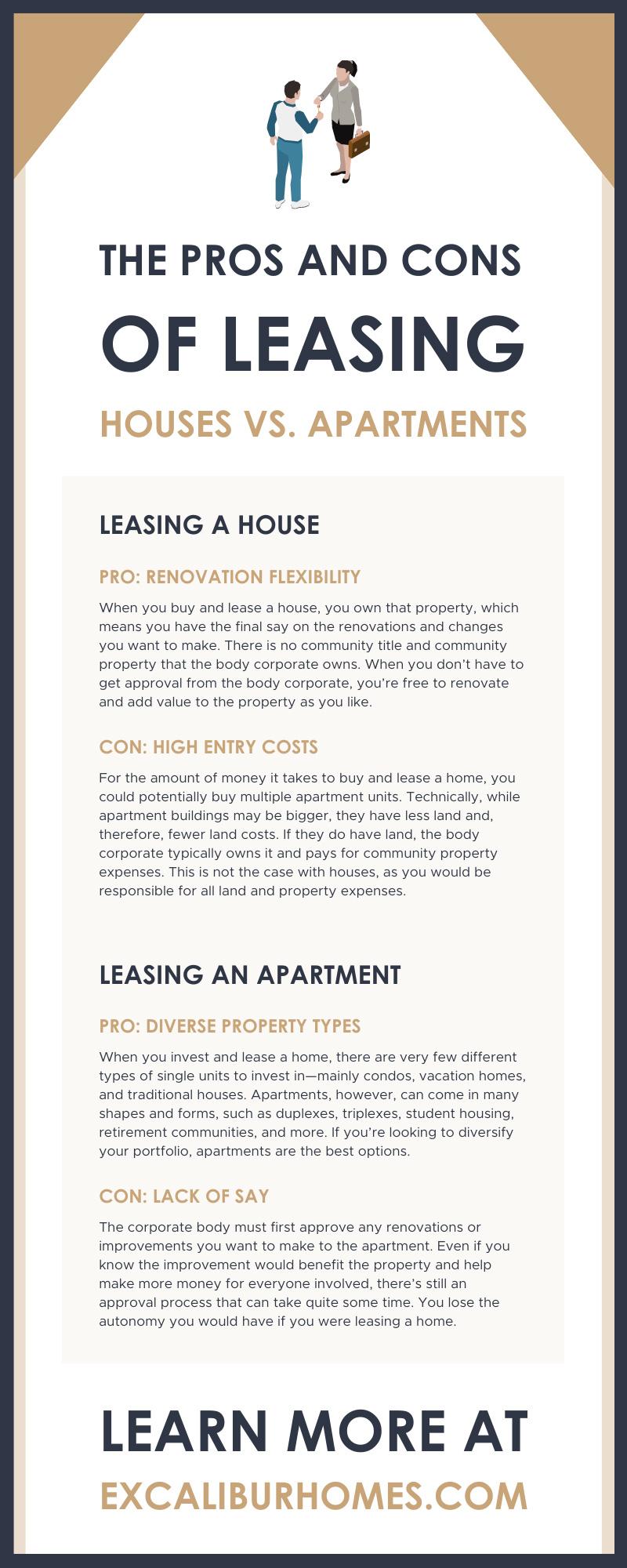
Navigating Local Laws and Regulations: A Tenants Guide
Navigating the complexities of local laws and regulations is essential for tenants in Las Vegas. Understanding your rights and responsibilities can empower you to make informed decisions regarding your lease. Here are some important aspects to keep in mind:
- Security Deposits: Nevada law allows landlords to charge up to three months’ rent as a security deposit. Make sure to obtain a written receipt that outlines the deposit terms.
- Lease Agreements: Always review your lease agreement thoroughly. It should specify the terms of the lease duration, rent amount, maintenance responsibilities, and pet policies.
- Habitability Standards: Landlords are required to maintain rental properties in livable conditions. This includes working plumbing, heating, and proper sanitation facilities.
- Eviction Procedures: Familiarize yourself with eviction processes in Las Vegas. Landlords must provide legal notice and a valid reason before initiating eviction proceedings.
In terms of tenant rights, it is crucial to stay informed about local tenant laws. Below is a simplified table highlighting key laws that landlords and tenants must adhere to:
| Law/Regulation | Description |
|---|---|
| Fair Housing Act | Prohibits discrimination based on race, color, religion, sex, national origin, familial status, or disability. |
| Warranty of Habitability | Ensures properties meet basic living standards, including water, electricity, and safety measures. |
| Unlawful Detainers | Legal process a landlord must follow to evict a tenant, including notice and court action. |
The Conclusion
leasing a home in Las Vegas presents a unique tapestry of opportunities and challenges, woven together by the city’s vibrant culture and dynamic lifestyle. As you navigate the bustling real estate market, it’s essential to arm yourself with knowledge and a clear vision of your needs and preferences. From understanding lease terms and local regulations to assessing the neighborhood vibe, each consideration plays a crucial role in ensuring a smooth transition into your new home.
Ultimately, the decision to lease in this desert oasis should be approached with careful thought and meticulous planning. Whether you’re drawn to the shimmering lights of the Strip, the serene beauty of the surrounding mountains, or the diverse communities that make up this spirited city, embracing the leasing process can lead to a rewarding chapter in your life. So take a deep breath, do your research, and get ready to unlock the door to your Las Vegas adventure—it’s a story waiting to be told.